Vintage Bigfoot Sasquatch Fishing Angler Review
When I first opened the file for Vintage Bigfoot Sasquatch Fishing Angler, my immediate reaction was a mix of amusement and professional curiosity. As someone who has stitched thousands of designs for clients ranging from local boutiques to large-scale manufacturers, I know that finding a character design with genuine personality is rare. Most "fun" embroidery files are either too cartoonish or lack the structural integrity needed for serious stitching. This piece, however, strikes a unique balance between retro charm and technical feasibility.
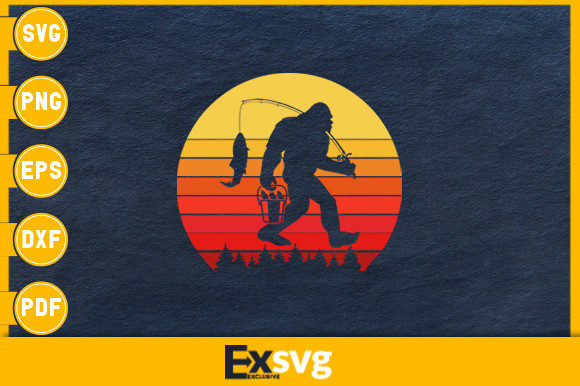
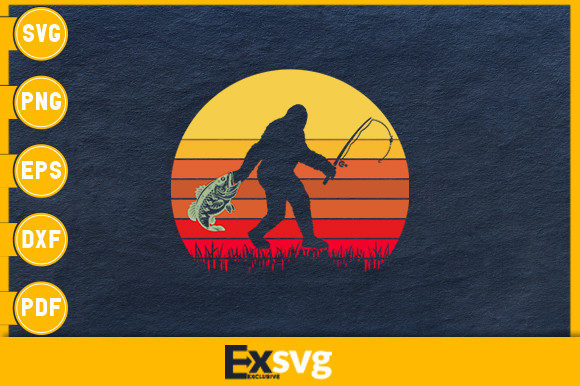
The mood it creates is undeniably nostalgic. The silhouette of the Sasquatch holding a fishing rod against a sunset backdrop evokes a specific kind of Americana humor that feels at home on a canvas tote bag or a heavy cotton sweatshirt. It isn't just a graphic; it tells a story about an angler who happens to be a cryptid. For the craft business owner or Etsy seller looking to tap into the outdoorsy niche without being overly generic, this design offers a fresh angle. It feels like something you would find in a well-curated vintage shop rather than a mass-produced big-box store item.
Real-World Application: The Tote Bag Scenario
To truly understand the value of this embroidery file, I simulated how Vintage Bigfoot Sasquatch Fishing Angler would perform in a real project. Imagine preparing a custom embroidered tote bag for a local outdoor festival or a boutique gift set. The design features a central figure that is substantial enough to command attention but not so dense that it requires hours of machine time.
In this scenario, the layout works beautifully. The horizontal orientation of the fisherman fits perfectly across the front panel of a standard canvas tote. The visual weight of the Bigfoot figure anchors the design, while the sunset elements provide a soft background texture that can be rendered using fill stitches. When I visualize the finished product, the contrast between the dark silhouette of the creature and the warm tones of the sunset creates a striking focal point. Customers browsing a handmade market stall would likely stop to look at it because it sparks conversation. It is the kind of personalized gift that makes people smile, which is exactly what drives engagement for small shop products.
However, the transition from digital preview to physical thread is where the real work begins. If I were using this for custom apparel, such as a crewneck sweatshirt, I would need to consider the fabric texture. A heavy cotton fleece provides a stable surface for the satin stitch details, ensuring the edges remain crisp. On a thinner material, like a lightweight tee shirt, the density of the design might cause puckering if not stabilized correctly. This is a critical consideration for any designer evaluating a new machine embroidery design.
Technical Considerations and Stitch Density
While the artistic vision is strong, practical execution requires careful planning. The Vintage Bigfoot Sasquatch Fishing Angler design includes several distinct elements: the main character, the fishing rod, the water, and the sun. Each of these areas will likely require different stitch types to achieve the desired effect. The body of the Sasquatch would benefit from a tight fill stitch to give it a solid, textured look, mimicking fur. In contrast, the fishing line might be best represented by a fine running stitch or a very narrow satin column to maintain clarity.
One area that demands caution is the small details. If the original vector art contains tiny text or intricate scales on a fish, those elements may not translate well through the needle. In my experience, embroidery designers must always inspect small details before finalizing a production run. If the design relies on extremely fine lines, they could disappear entirely or merge together on certain fabrics. I recommend testing the design on scrap fabric first to see how the stitch density behaves. If the file is too complex for your current hoop size, you may need to split the design or reduce the scale, which could impact the overall aesthetic.
Furthermore, the choice of thread colors is paramount. The success of this graphics asset depends heavily on the contrast between the thread and the base fabric. On a light-colored fabric, a dark thread palette will make the Sasquatch pop, but on a dark fabric, you will need high-contrast brights or metallic threads to ensure the sunset elements are visible. Without proper color selection, even the best digital embroidery file can look muddy and indistinct.
Where to Exercise Caution
Not every product is suitable for this level of detail. There are specific scenarios where Vintage Bigfoot Sasquatch Fishing Angler might struggle:
- Small Hoop Sizes: If you are working on baby clothes or small patches, the design might be too large or detailed. The fine lines of the fishing rod could become lost or cause the fabric to pucker significantly.
- Stretchy Fabrics: Applying a dense fill design to a stretchy knit fabric without adequate stabilizer can lead to distortion. The garment may lose its shape after washing.
- Curved Surfaces: While caps and hats are popular, a large, flat design like this might not conform well to the curvature of a baseball cap unless specifically digitized for 3D application.
- Textured Fabrics: On materials like terry cloth or thick fleece, the definition of the design can be lost. The needle may struggle to penetrate the loops, resulting in uneven coverage.
For these applications, it is often better to use a simplified version of the design or focus on the most iconic element—the face of the Sasquatch—rather than the entire scene.
Impact on Brand and Customer Trust
In the world of craft business and Etsy sellers, the quality of your embroidery directly correlates to customer trust. A sloppy stitch job or a design that looks pixelated due to poor digitization can damage a brand's reputation. Vintage Bigfoot Sasquatch Fishing Angler, when executed well, elevates the perceived value of the handmade product. It signals to the buyer that the maker cares about aesthetics and quality.
Consider a holiday gift context. A pillow cover featuring this design could be a hit for a family reunion or a themed party. The retro theme appeals to adults who appreciate quirky humor, making it a versatile personalized gift. However, if the design is poorly placed or the thread colors clash, it risks looking cheap. Professional presentation matters. Using a printable mockup to visualize the final result before stitching can help avoid costly mistakes. It allows you to check the placement relative to seams and hems, ensuring the finished product looks polished.
For those selling design assets or creating commercial embroidery projects, understanding the limitations of the file is crucial. The inclusion of multiple formats like SVG, DXF, PNG, PDF, and EPS suggests versatility for cutting machines and print templates. However, for pure embroidery, the vector paths must be interpreted correctly by your software. Ensure that the applique design elements (if applicable) are properly separated and that the underlay stitches are sufficient to support the top layers.
Practical Steps Before You Start
Before committing to a full production run, follow these steps to ensure success:
- Test on Scrap Fabric: Always run a test stitch-out to check for tension issues and thread breaks.
- Check Thread Contrast: Verify that the chosen threads stand out against your intended fabric color.
- Review Stitch Density: Ensure the design isn't too heavy for the fabric type you are using.
- Confirm Hoop Size: Make sure your machine can accommodate the design dimensions without cropping important details.
- Inspect Small Details: Zoom in on the digital file to identify any potential weak points in the digitization.
- Use Proper Stabilizer: Select the right stabilizer (cut-away, tear-away, or adhesive) to prevent shifting and puckering.
- Verify Licensing: Confirm whether the license allows for commercial use if you plan to sell the finished items.
Ultimately, Vintage Bigfoot Sasquatch Fishing Angler is a charming addition to any designer's library. It offers a blend of whimsy and structure that works well for a variety of embroidery projects. Whether you are creating a one-off gift or building a line of boutique branding merchandise, this design has the potential to be a standout piece. Just remember that the magic lies in the execution. With the right technique, proper materials, and a keen eye for detail, you can turn this digital concept into a tangible, high-quality finished product that customers will love.