Sasquatch Fatsquatch Bigfoot: A Designer's Real-World Review
I have spent years stitching everything from delicate heirloom pieces to rugged workwear, and I know that the difference between a good design and a great finished product often comes down to one thing: how the file translates from screen to fabric. When I first encountered Sasquatch Fatsquatch Bigfoot, my initial reaction wasn't just about the cute factor, but about its viability for actual commercial use. This isn't just another generic graphic; it is a specific Print Templates asset with a distinct personality that demands careful consideration before being sent to the hoop.
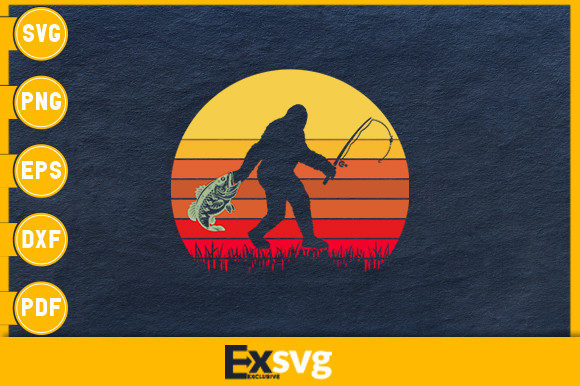
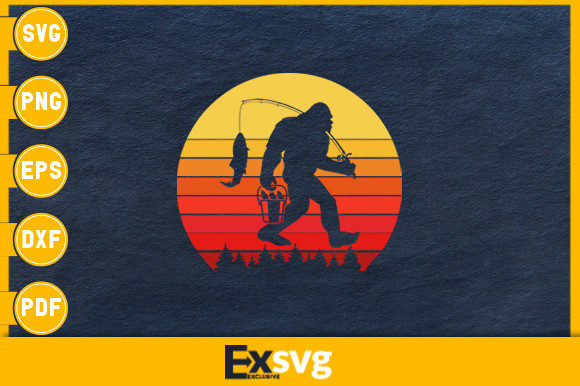
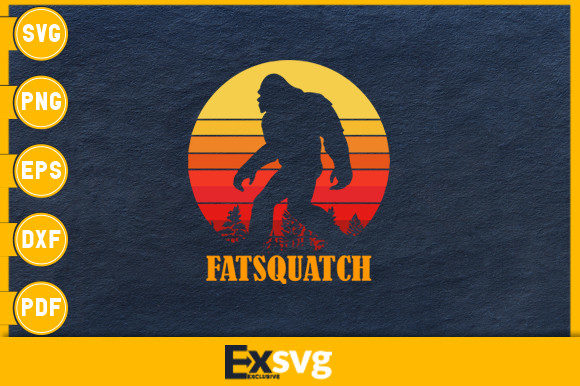
The visual identity of Sasquatch Fatsquatch Bigfoot immediately sets a tone of retro nostalgia. The "Fatsquatch" moniker suggests a plump, approachable character rather than a scary cryptid, which creates an inviting mood perfect for modern handmade shops. As a designer evaluating this for real project use, I am looking at how the shape handles in stitches. The layout feels balanced, likely utilizing a mix of satin stitch for outlines and fill stitch for the body, which are crucial for durability. The vintage sunset theme implies warm color palettes that can really pop against neutral fabrics, making it a strong candidate for apparel decorators who want to add character without overwhelming the garment.
From Digital File to Finished Product: A Practical Scenario
To truly understand the value of Sasquatch Fatsquatch Bigfoot, let's imagine a real-life scenario. You are preparing a custom embroidered tote bag for a local craft fair or creating a batch of holiday gifts for your Etsy shop. You need something that stands out on a shelf but also holds up to the rigors of daily use. This embroidery file could be the star of a line of baby onesies or a cozy sweatshirt for a boutique brand.
In this context, the design acts as a conversation starter. Customers don't just buy a bag; they buy the story behind the image. The chunky, friendly silhouette of the Fatsquatch translates well into a tote bag design because the curves are forgiving. Unlike sharp, angular designs that can look jagged if the thread tension is slightly off, the rounded nature of this character allows for some flexibility in the stitching process. If you were to place this on a kitchen towel or a pillow cover, the retro aesthetic fits perfectly with current trends in farmhouse and rustic decor. It elevates a simple item into a piece of art that feels curated and thoughtful.
Where This Design Shines
Sasquatch Fatsquatch Bigfoot finds its natural home in projects that benefit from a touch of whimsy and high visual appeal. For small business owners and creative entrepreneurs, this design offers a unique selling point that separates their merchandise from mass-produced items found in big-box stores. It works exceptionally well for:
- Custom Apparel: Sweatshirts and t-shirts where the design serves as the main focal point.
- Baby Embroidery: Onesies and blankets where soft, rounded shapes are preferred over intricate details.
- Holiday Gifts: Personalized stockings or ornaments that capture a festive, fun spirit.
- Commercial Embroidery: Uniforms or promotional items for outdoor brands or nature-themed businesses.
The versatility of the Graphics provided means you aren't limited to just one application. Whether you are creating an embroidered patch for a denim jacket or a digital embroidery file for a print-on-demand mockup, the core imagery remains consistent. This consistency is vital for brand recognition. When a customer sees the Fatsquatch on a cap, then later on a tote bag, they instantly recognize the source, building trust in your handmade product line.
Navigating Technical Challenges and Fabric Choices
However, as an experienced reviewer, I must address where caution is required. Not every surface is suitable for every design. While Sasquatch Fatsquatch Bigfoot is robust, there are specific scenarios where you should proceed carefully. If you are working with a small hoop size, the detail level might get lost, especially if the design includes fine lines around the eyes or toes. In these cases, scaling the design down too much can result in a muddy appearance where individual stitches merge together.
Fabric texture plays a massive role in the final outcome. On textured fabrics like heavy bouclé or rough linen, the definition of the design may soften. Similarly, on stretchy fabric like jersey knits, you must ensure you are using the proper stabilizer to prevent puckering. If the design is placed on a curved surface like a baseball cap, the distortion can alter the proportions of the Fatsquatch, potentially making it look wider or taller than intended. For these applications, testing on scrap material is non-negotiable.
Dark fabrics present another challenge. The contrast is key to the vintage sunset theme. If the background is black or navy, the thread colors must be chosen carefully to ensure the design doesn't disappear into the void. Conversely, on light fabrics, the vibrancy of the colors will shine through, but you must ensure the underlay is sufficient to prevent the fabric from showing through the stitches.
Essential Notes for the Professional Designer
Before you commit this design to a production run, there are several practical steps you should take to ensure success. First, always test the design on scrap fabric first. This allows you to see how the stitch density interacts with your specific machine and thread type. Check the thread color contrast by reviewing the file in black and white mockups; sometimes a color looks vibrant on screen but lacks contrast in reality.
Review the hoop size requirements relative to your available equipment. Confirm whether the design includes running stitch elements that might require a different setup than standard fill patterns. Inspect small details closely to ensure they are not so fine that they will break easily during washing. Use a proper stabilizer that matches the weight and stretch of your target fabric; a lightweight cut-away is often best for maintaining the integrity of the embroidery project.
Furthermore, compare the design on both light and dark fabric backgrounds to gauge its versatility. If you plan to sell finished items, confirm the licensing terms regarding commercial embroidery. Some files allow for unlimited sales of physical goods, while others restrict digital resale. Understanding these boundaries protects your craft business from legal issues.
Final Verdict on Visual Appeal and Value
Ultimately, Sasquatch Fatsquatch Bigfoot brings a high level of visual appeal to any project. It strikes a balance between professional polish and playful charm, which is exactly what today's market demands. For an Etsy seller or a maker looking to expand their inventory, this design offers a fresh angle that can drive engagement. It is not just a logo; it is a character that customers want to own.
The clarity of the stitching potential ensures that the finished product looks expensive and well-crafted. When a buyer receives a personalized gift featuring this design, they perceive the care taken in the creation process. This perception directly impacts customer trust and encourages repeat business. Whether used for a holiday embroidery campaign or a year-round small shop product, the design holds its own.
In conclusion, Sasquatch Fatsquatch Bigfoot is a versatile asset that rewards careful execution. By respecting the technical limitations of embroidery and leveraging the design's inherent charm, you can create standout pieces that resonate with buyers. Just remember to check your file formats—ensuring you have the right Svg, Dxf, Png, Pdf, Eps files for your specific workflow—and always prioritize quality control. With the right approach, this design can become a signature element in your portfolio of design assets.