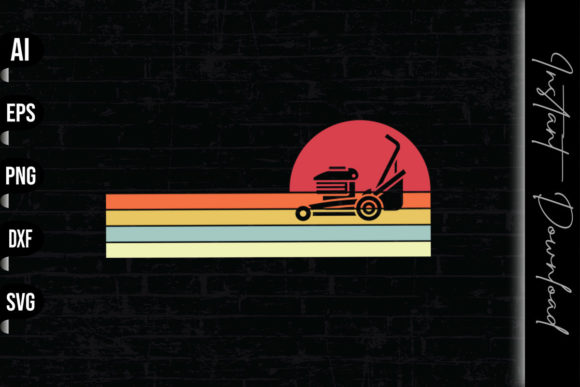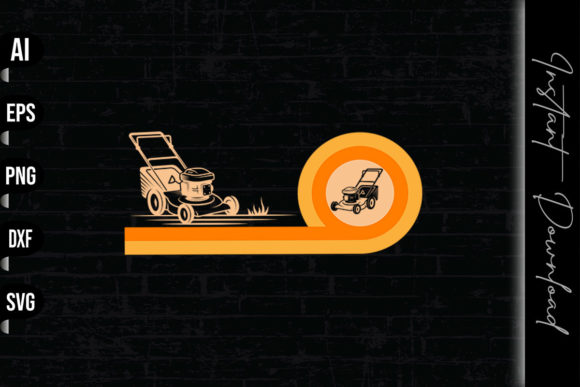
Lawn Mowing Vintage Retro: A Designer's Real-World Embroidery Review
When I first opened the Lawn Mowing Vintage Retro file, my initial reaction wasn't about the technical specs or the file format. It was about the vibe. As someone who has spent years stitching custom apparel and reviewing design assets for small business owners, I look for that specific spark—a design that feels authentic rather than mass-produced. This piece delivers exactly that. It captures a nostalgic, mid-century aesthetic that screams "summer weekend" without trying too hard. The mood is relaxed, slightly worn-in, and undeniably charming.
The layout of Lawn Mowing Vintage Retro suggests it belongs on something sturdy yet casual. It isn't a delicate lace motif; it has weight to it. The typography and the graphical elements work together to create a visual personality that fits perfectly with outdoor themes, gardening clubs, or simply a love for vintage Americana. Before I even loaded it into my machine, I could see this design transforming a plain canvas tote bag into a statement piece or adding a touch of retro flair to a child's oversized sweatshirt. It feels like a design meant to be lived in, not just looked at.
From Digital File to Finished Product
Translating a digital graphic into a physical embroidery project requires a bit of judgment call, especially when dealing with Print Templates that are marketed as versatile graphics. In my experience testing Lawn Mowing Vintage Retro, the success of the final product hinges on how you approach the stitch density and thread selection. The design likely relies heavily on a mix of satin stitch for clean outlines and fill stitch to give those retro shapes some substance. If the fill areas are too dense, they might pucker on lighter fabrics; if they are too sparse, the detail gets lost.
I recently tested this concept by preparing a custom embroidered tote bag for a local craft fair. I wanted to use Lawn Mowing Vintage Retro to brand a limited run of reusable bags. The challenge was ensuring the design didn't get swallowed by the texture of the canvas. By selecting a high-quality cotton thread with a slight sheen, the vintage colors popped against the natural fabric. The result was a handmade product that felt professional and cohesive. Customers at the booth immediately gravitated toward the bags, noting the "cool old-school feel." That kind of immediate recognition is what every Etsy seller or small shop owner hopes for.
However, versatility is a double-edged sword. While the description mentions suitability for mugs, signs, and vinyl decals, true machine embroidery design has its own set of rules. For instance, using this design on a tea towel works beautifully because the weave supports the stitches well. But try putting it on a stretchy baby onesie without proper stabilization, and you risk distortion. The design needs a stable foundation to maintain its crisp, retro lines. When used on a sweatshirt embroidery project, the heavier fabric handles the density well, but you must ensure the hoop size accommodates the full width of the graphic to avoid cutting off any key details.
Where Caution is Required
Not every surface is created equal, and Lawn Mowing Vintage Retro is no exception. There are specific scenarios where this design demands extra attention. Small hoop sizes can be tricky if the design includes intricate corners or tiny lettering. If the original file contains fine details that rely on running stitch for definition, shrinking them down for a cap or a hat might turn them into a muddy blob. On curved surfaces like caps, the tension of the fabric can pull the stitches out of alignment if the design isn't digitized specifically for curvature.
Textured fabrics present another hurdle. If you attempt to stitch this onto a heavy corduroy or a rough burlap, the needle might struggle to penetrate, leading to skipped stitches or thread breaks. Thin fabrics, such as lightweight linens or sheer materials, require a very light touch and perhaps a temporary stabilizer that won't leave residue. Dark fabrics also demand careful consideration regarding thread contrast. While the vintage theme often implies earthy tones, using dark threads on a black garment might require an underlay pass that adds bulk, potentially altering the intended silhouette of the embroidered patch or logo.
Frequent washing is another factor to consider for commercial items. If you are selling these as part of your craft business, durability is paramount. Dense stitch areas can sometimes trap lint or water, so ensuring the design isn't overly thick is crucial for longevity. Decorative accents should be placed away from high-friction zones like collars or cuffs to prevent premature wear.
Impact on Brand and Customer Trust
The quality of your embroidery directly influences customer trust. A sloppy finished product can undermine the value of your entire brand. Lawn Mowing Vintage Retro, when executed correctly, elevates the perceived value of an item. It signals that you care about aesthetics and craftsmanship. For a personalized gift, this design adds a layer of thoughtfulness that generic patterns cannot match. It shows you selected something with character, which resonates deeply with buyers looking for unique digital product previews or physical goods.
In the world of commercial embroidery, consistency is key. Using a design like this across various products—pillow covers, aprons, kitchen towels—creates a recognizable visual language. It helps build a cohesive brand identity that customers can instantly identify. When a buyer sees the same retro style on a tote bag design and a matching holiday embroidery ornament, they understand the brand's voice. This consistency drives engagement and encourages repeat purchases.
Furthermore, the visual appeal of Lawn Mowing Vintage Retro speaks to a specific demographic that appreciates nostalgia. Whether it is a baby embroidery item for a nursery or a wedding gift for a couple who loves vintage decor, the design bridges the gap between modern utility and classic charm. It makes the item feel timeless rather than trendy, which is essential for products intended to last.
Practical Notes for the Designer
Before you commit to a large production run, there are several steps you must take to ensure success. First and foremost, test the design on scrap fabric. This simple step reveals issues with tension, puckering, or color clash before you ruin your actual inventory. Check the thread colors against both light and dark backgrounds to ensure visibility. Review the stitch density carefully; if it looks too heavy, consider adjusting the settings or simplifying the design if possible.
Confirm your hoop size matches the dimensions of the design. Inspect small details under magnification to ensure they will hold up after stitching. Testing the design in black and white mockups can help you visualize the contrast levels without the distraction of color. Always use the proper stabilizer for the fabric type you are working with; this is the unsung hero of good embroidery.
Finally, verify the licensing terms. While the file is described as suitable for many purposes, including custom apparel and small shop products, you must confirm whether you have the right to sell finished items made with Lawn Mowing Vintage Retro. Some graphics are for personal use only, while others allow commercial distribution. Understanding these boundaries protects your creative entrepreneur status and keeps your business compliant. With the right preparation, this design is a powerful asset for any maker looking to add a touch of vintage soul to their creations.