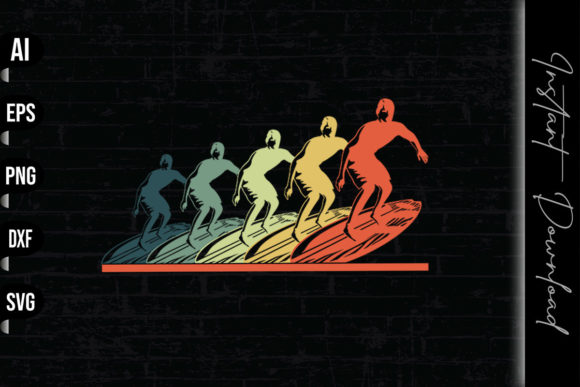
Surfing Surfboard Vintage Retro: A Designer's Stitch-Test Review
There is a specific feeling when you open a new embroidery file and the first thing that hits you is pure nostalgia. That is exactly what happens with Surfing Surfboard Vintage Retro. As someone who has spent years turning digital assets into tangible, stitched masterpieces for clients and my own shop, I look for more than just a pretty picture. I need to know how it behaves under the needle, how it translates from screen to fabric, and whether it adds genuine value to a finished product.
This design immediately sets a mood of laid-back summer vibes mixed with classic Americana. It isn't just a generic surf graphic; it carries a distinct personality that suggests quality and timelessness. For an embroidery designer or a small business owner looking to expand their catalog, understanding the visual weight of this piece is crucial before you ever thread your machine.
The First Impression: Mood and Visual Personality
When I first loaded Surfing Surfboard Vintage Retro into my digitizing software, the layout felt balanced and confident. The vintage aesthetic works exceptionally well for embroidery because it often relies on bold shapes and clean lines rather than hyper-realistic gradients that can get lost in stitching. The design screams "beachside boutique" or "summer festival gear."
It creates an immediate connection with the target audience. Whether you are targeting hobbyists who love the ocean or commercial buyers looking for trendy apparel, this theme resonates. The shape of the board itself provides a natural focal point, making it ideal for chest placements on t-shirts or centered designs on tote bags. It feels like a design that has been around forever, which gives it a sense of trust and reliability that customers appreciate.
Real-World Application: From Screen to Stitch
Let's talk about where this design actually shines. I recently considered using this machine embroidery design for a custom order of baby onesies for a local family expecting twins. The soft pastel colors of the onesies needed something cheerful but not overwhelming. Surfing Surfboard Vintage Retro fits perfectly here. The vintage style softens the look, making it appropriate for nursery decor or baby gifts without feeling too aggressive or modern.
Imagine taking this same file and applying it to a heavyweight canvas tote bag for a craft fair. The sturdy fabric can handle the density required for the fill stitches, allowing the retro surfboard to pop with texture. Or consider a sweatshirt embroidery project for a holiday gift. The cozy fabric complements the nostalgic vibe of the design, creating a warm, inviting feel that customers will want to wear repeatedly.
For Etsy sellers and creative entrepreneurs, this design is a versatile asset. You can use it to create personalized gifts, such as monogrammed aprons for home bakers or embroidered patches for denim jackets. The versatility extends to kitchen towels and pillow covers, where the design adds a touch of coastal charm to any room. It transforms a simple digital asset into a high-value handmade product that stands out in a crowded marketplace.
Where to Exercise Caution: Fabric and Placement Matters
While the design is robust, no single embroidery project works everywhere. There are specific scenarios where Surfing Surfboard Vintage Retro requires careful consideration. If you are working with very thin or stretchy fabrics, like a lightweight jersey tee, you must ensure you use the correct stabilizer to prevent puckering. The design likely contains areas of dense stitching, and without proper support, the fabric could distort.
Hoop size is another critical factor. Attempting to stitch this on a curved surface, like a baseball cap, might be tricky if the design is large. The curvature of the hat can make the straight lines of the surfboard look distorted if the digitizing wasn't optimized for caps. Always test on scrap fabric first to see how the stitch density interacts with the material.
Dark fabrics present another challenge. While the design looks great in mockups, the contrast depends heavily on your thread color selection. On a black hoodie, a light-colored outline is essential to maintain visibility. Conversely, on white fabric, dark threads might look too harsh if the vintage style aims for a softer, washed-out look. You need to think about the final aesthetic before cutting the thread.
Impact on Brand and Customer Perception
In the world of commercial embroidery, the details matter. A well-executed design builds customer trust. When a buyer sees a crisp, clean rendition of Surfing Surfboard Vintage Retro on a finished product, they perceive the brand as professional and detail-oriented. Sloppy stitching or poor alignment can ruin even the best design concept.
This design also enhances the perceived value of your items. A simple t-shirt becomes a statement piece when adorned with a thoughtfully executed vintage graphic. It signals to the buyer that care was taken in the creation process. For small shop owners, this means higher retention rates and repeat customers who associate your brand with quality craftsmanship.
The design's recognition factor is strong. People instantly understand the surfing theme, which makes it easy to market. Whether you are creating a printable mockup for an online listing or showcasing a physical item at a craft fair, the visual appeal does the heavy lifting. It communicates a lifestyle, not just a product.
Practical Notes for the Embroidery Designer
Before you start your next production run, there are a few technical steps you should take. First, verify the file formats and compatibility with your specific machine. Since this is listed under Print Templates and Graphics initially, ensure you have converted it correctly into a format your embroidery machine reads, such as PES, DST, or EXP.
Review the stitch types carefully. Is it primarily satin stitch for the outlines, or does it rely heavily on fill stitch for the body? Understanding the balance helps you select the right thread weights. High-density fill areas might require a thicker topstitch thread to cover the underlay properly.
Don't forget to check the licensing terms. If you plan to sell finished products featuring this design, confirm that your purchase allows for commercial use. Some files are for personal use only, while others permit selling a limited number of units. Ignoring this can lead to legal issues down the line.
Finally, always test your thread colors against your fabric background. A quick run on a scrap piece of the actual garment material will reveal potential issues with coverage or color clash before you commit to a full production batch. This step saves money and ensures your finished product meets your high standards.
Surfing Surfboard Vintage Retro is more than just a digital image; it is a tool for creating memorable experiences. By approaching it with a designer's eye and a practical mindset, you can turn a simple file into a standout addition to your portfolio. Whether you are crafting a one-of-a-kind gift or building a thriving craft business, this design offers a solid foundation for creativity and success.