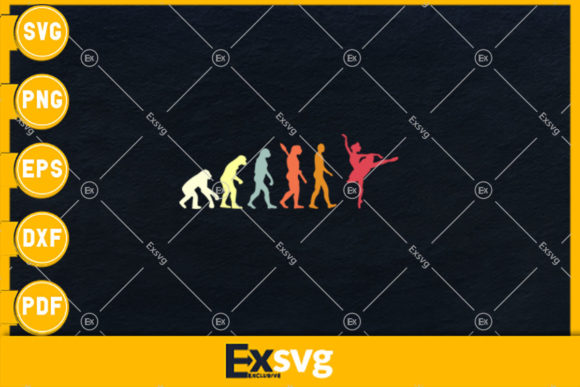
Retro Vintage Ballet Silhouette Review
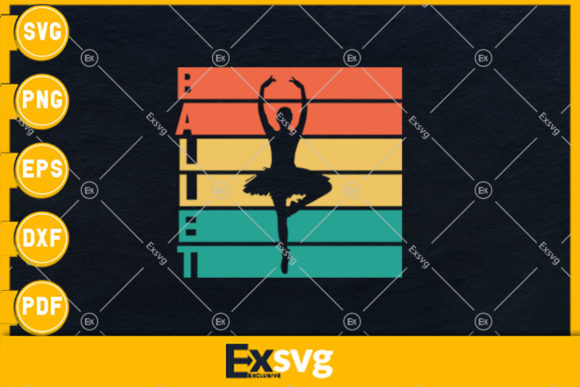
When I first opened the file for Retro Vintage Ballet Silhouette, my immediate reaction wasn't about stitch counts or technical specifications. It was about the mood. There is a specific kind of nostalgia that hits you when you see a dancer in mid-pirouette, rendered with that soft, grainy texture of old film. As someone who has spent years reviewing digital assets for real-world embroidery projects, I know that a pretty picture on a screen does not always translate to a beautiful stitched piece on fabric. This design, categorized under Print Templates and Graphics, promises versatility, but the true test lies in how it performs when pushed through an embroidery machine.
I recently decided to put this design to the test by creating a custom line of boutique merchandise for a local dance studio's holiday fundraiser. The goal was to produce a high-quality, personalized gift that would resonate with dancers and parents alike. I chose Retro Vintage Ballet Silhouette as the centerpiece for a series of items, ranging from aprons to tote bags. My objective was to evaluate whether this design holds up under the scrutiny of commercial production and if it delivers the professional polish that customers expect.
First Impressions and Visual Personality
The strength of Retro Vintage Ballet Silhouette lies in its simplicity and elegance. Unlike overly complex designs that can get lost in the stitching process, this silhouette relies on clean lines and a strong central shape. The retro aesthetic gives it a timeless quality that feels both modern and classic. When I laid out the mockups, the design immediately suggested itself for apparel and home decor rather than small, intricate patches.
The visual personality is soft yet confident. It evokes feelings of grace, discipline, and artistry. For a designer looking to create a cohesive brand identity, this image offers a perfect anchor. It works exceptionally well for custom apparel like sweatshirts and t-shirts, where the large canvas allows the silhouette to breathe. However, before committing to a full production run, I had to consider how the design translates into thread.
Real-World Application: The Tote Bag Scenario
To truly understand the viability of this design, I created a prototype using a heavy-duty canvas tote bag. This is a common request for Etsy sellers and craft business owners who want to offer durable, useful products. I selected a neutral beige background to let the design pop, opting for a deep burgundy thread to match the vintage vibe.
The result was striking. The silhouette held its shape beautifully without any distortion. Because the design is primarily a single continuous form, it avoids the pitfalls of dense fill stitches that can cause puckering on thin fabrics. The curves of the dancer's leg and arm were crisp, and the overall composition felt balanced. Customers who saw the finished product responded positively to the "handmade" feel; they could tell it wasn't just a mass-produced sticker. This level of detail adds significant value to a handmade product and builds trust with buyers who are paying a premium for artisanal goods.
This same design also performed well on baby clothing, such as onesies and nursery wall hangings. The gentle curves and lack of aggressive angles make it safe and appealing for baby embroidery. It transforms a simple white shirt into a keepsake item that parents are eager to display. For holiday gifts, the design serves as a thoughtful nod to the recipient's passion, making it a standout choice for personalized gifts.
Navigating Technical Challenges
While Retro Vintage Ballet Silhouette is versatile, no design is without its limitations. As an experienced reviewer, I must highlight where caution is necessary. One area that requires careful planning is the use of textured fabrics. If you attempt to embroider this on a thick, nubby wool or a heavily distressed denim, the fine details of the silhouette might get lost in the fabric's texture. In these cases, the design may need to be simplified or the stabilizer used must be robust enough to support the fabric during stitching.
Another critical consideration is the hoop size. While the design scales well, attempting to fit it into a very small hoop (such as 4x4 inches) on a cap or a small patch can compromise the proportions. The curves might become too tight, leading to thread breaks or a loss of the intended flow. For embroidered patches, ensure that the border is wide enough to prevent fraying, especially if the patch will undergo frequent washing.
Stitch density is another factor to monitor. Although the file formats provided—SVG, DXF, PNG, PDF, EPS—are excellent for cutting machines, the conversion to an embroidery file requires attention. If the software automatically converts the outline into a dense satin stitch, the fabric might pucker. I recommend reviewing the stitch settings to ensure there is a balance between satin stitch coverage and open areas. A mix of running stitch for delicate outlines and fill stitch for the body can add depth without overwhelming the design.
Practical Notes for Designers and Makers
If you are planning to use Retro Vintage Ballet Silhouette in your craft business or small shop product line, here are some essential steps to ensure success:
- Test on Scrap Fabric: Always run a test stitch on a scrap piece of the actual fabric you intend to use. This helps you gauge thread tension and potential puckering before touching your final product.
- Check Thread Color Contrast: Ensure the thread colors chosen provide sufficient contrast against the fabric. A dark silhouette on a black background, for example, will disappear unless you use a metallic or light-colored thread.
- Review Stitch Density: Inspect the digitizing to confirm that the density is appropriate for the fabric weight. Too much thread can distort the shape of the dancer.
- Confirm Hoop Size: Verify that your machine's hoop can accommodate the design dimensions comfortably, leaving room for the edges of the garment.
- Inspect Small Details: Zoom in on the vector files to ensure all paths are closed and connected. Missing nodes can lead to incomplete stitches.
- Test in Black and White: Create a monochrome mockup to see how the design reads without color interference. This helps visualize the impact on different backgrounds.
- Use Proper Stabilizer: Select a stabilizer that matches the fabric type. Heavyweight cut-away stabilizers are often best for commercial embroidery on stretchy materials like jerseys.
- Licensing Verification: Before selling finished items or digital products, double-check the licensing terms associated with the download to ensure compliance.
Final Thoughts on Product Value
In the world of digital embroidery files, finding a design that balances artistic merit with practical usability is rare. Retro Vintage Ballet Silhouette succeeds because it respects the medium. It doesn't try to be something it isn't; instead, it embraces the limitations and strengths of thread-based art. For apparel decorators and creative entrepreneurs, this asset offers a reliable foundation for building a collection of design assets that can be adapted for various uses.
Whether you are creating a tote bag design for a market stall, a sweatshirt embroidery for a dance team, or a kitchen towel for a wedding gift, this design brings a touch of sophistication. It elevates the perceived value of the finished product, making it more likely to sell at a higher price point. The retro theme ensures longevity, meaning your inventory won't look dated next season.
Ultimately, Retro Vintage Ballet Silhouette is more than just a graphic; it is a tool for storytelling. It allows makers to express appreciation for the arts through their craft. By following the practical guidelines outlined above, you can transform this digital asset into a tangible, cherished item that stands out in a crowded marketplace. For anyone serious about print templates and graphics for the handmade economy, this is a worthy addition to your library.