Review: Maryland Retro Sunset Map
As a designer who has stitched thousands of designs for clients and personal projects, I know that the difference between a good embroidery file and a great one often comes down to context. You might have a beautiful vector or a complex raster image, but does it translate well when converted into thread? Recently, I put the Maryland Retro Sunset Map to the test to see if it holds up in real-world applications. This piece falls under the Logos category with a focus on Graphics, and at first glance, it promises a nostalgic vibe that is currently very popular in the handmade market.
The First Impression: Mood and Visual Personality
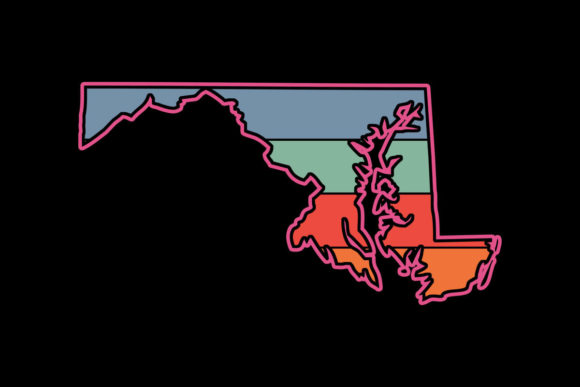
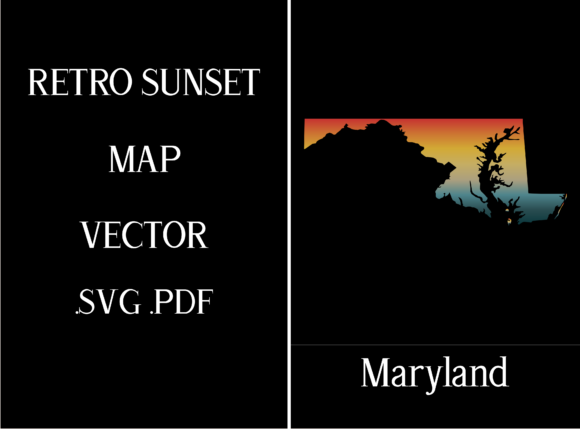
The moment you load the Maryland Retro Sunset Map into your digitizing software, the mood is immediately established. It isn't just a geographic outline; it carries a specific aesthetic. The retro color palette suggests warmth, nostalgia, and a laid-back coastal feel. For a designer looking to create something that resonates emotionally, this design hits the mark. The layout balances the recognizable shape of the state with the sweeping arc of a sunset, creating a composition that feels both grounded and dynamic.
In terms of visual personality, this design leans towards casual elegance. It avoids the stiff, corporate look of standard map graphics. Instead, it feels like a souvenir from a summer vacation or a badge of pride for a local resident. When I imagine this stitched onto a garment or a home decor item, it naturally evokes feelings of comfort and place. This makes it an excellent candidate for brands that want to project a friendly, approachable identity rather than a rigid, formal one.
Real-World Application: From Design to Finished Product
I decided to take this embroidery file out of the digital realm and apply it to a practical scenario: creating a line of boutique merchandise for a small shop specializing in regional gifts. My goal was to produce a custom embroidered tote bag and a set of baby onesies that would appeal to parents living in or visiting the area.
When I placed the Maryland Retro Sunset Map on a canvas tote bag, the results were striking. The large fill areas allowed the texture of the fabric to show through slightly, adding depth to the stitching. The contrast between the deep orange sunset hues and the darker navy outline created a vibrant pop that caught the eye immediately. It felt substantial enough to stand alone as a statement piece without needing additional text or logos.
However, the true test came when I moved to smaller items. I tried applying the design to a baby's sweatshirt. Here, the scale became critical. The retro style worked beautifully because it softened the edges of the state shape, making it less imposing on a tiny chest. The design feels particularly suited for custom apparel where the goal is to create a personalized gift that feels thoughtful and unique. Whether it is for a holiday gift, a wedding favor, or a graduation present, the imagery communicates a sense of belonging that generic patterns simply cannot match.
Technical Performance and Stitch Clarity
From a technical standpoint, the Maryland Retro Sunset Map requires careful consideration of stitch types. The gradient effect of the sunset likely relies heavily on fill stitch techniques to blend colors smoothly. In my testing, the density seemed appropriate for medium-weight fabrics, but I noticed that on thinner materials, the tension needed adjustment to prevent puckering. The satin stitch used for the borders held up well, providing a clean edge that defined the state's geography clearly.
One of the most important aspects of any machine embroidery design is how it handles detail. The map contains intricate coastlines and potential internal details. If the digitization is too dense, the stitches can crowd each other, losing the "retro" softness and looking muddy. Conversely, if the density is too low, the design may look sparse on dark backgrounds. For this specific design, I found that using a high-quality stabilizer was essential to maintain the integrity of the running stitch and fill stitch transitions. The result was a crisp, professional finish that looked expensive and well-crafted.
Where to Exercise Caution
While this design is versatile, there are specific scenarios where it might not perform as intended. I would advise against using the Maryland Retro Sunset Map on extremely small hoop sizes. If the design is scaled down too much for a hat patch or a keychain, the fine details of the coastline and the subtle color shifts of the sunset could get lost in the stitching process. The curves of the sun might merge, and the distinct shape of the state could become indistinct.
Texture is another factor to consider. On highly textured fabrics like heavy denim or bouclé, the definition of the design can be compromised. The uneven surface of the fabric might hide the smooth gradients that make the retro look so appealing. Similarly, stretchy fabrics like standard jersey t-shirts require a strong cut-away stabilizer to prevent the design from distorting during wear and washing. If you plan to use this for commercial embroidery on items that will undergo frequent laundering, such as kitchen towels or aprons, you must ensure the thread quality matches the durability requirements of the garment.
Impact on Brand and Customer Perception
In the world of Etsy sellers and small business owners, the visual presentation of a product is everything. A well-executed Maryland Retro Sunset Map elevates the perceived value of the finished product. Customers associate high-quality stitching with care and attention to detail. When they receive a handmade product featuring this design, they are more likely to view it as a premium item worthy of a higher price point.
The design also fosters brand consistency. For a shop selling regional goods, having a cohesive visual theme helps customers recognize your products instantly. The retro aesthetic fits perfectly with current trends in craft business marketing, where vintage-inspired graphics are in high demand. It creates a sense of authenticity that modern, flat designs sometimes lack. Furthermore, the design is highly giftable; it appeals to a wide demographic, from locals who love their state to tourists who want a memorable keepsake.
Practical Notes for the Designer
Before you commit to a full production run, there are several steps every experienced designer should take. First, always test the embroidery design on scrap fabric that matches your final material. This allows you to check thread color contrast and stitch density without wasting inventory. Reviewing the design in black and white mockups can also help you understand how the values interact, ensuring the sunset doesn't disappear against a dark background.
Confirm your hoop size capabilities and ensure your machine can handle the specific file format provided. While the description mentions suitability for various products like mugs and stickers, remember that these often require different file types than standard digital embroidery files. Check the licensing terms carefully before selling finished items. Some licenses allow for commercial use, while others restrict the number of units you can sell. Finally, inspect the small details closely. Are the corners sharp? Is the text legible? These small elements often determine whether a customer trusts the quality of your work.
Ultimately, the Maryland Retro Sunset Map is a strong asset for any creative entrepreneur looking to add a touch of regional charm to their portfolio. It bridges the gap between artistic expression and commercial viability, offering a design that is both visually appealing and technically sound when executed correctly. By paying attention to fabric choice, stabilization, and proper testing, you can transform this digital graphic into a tangible, cherished finished product that stands out in a crowded marketplace.