Nicaragua Retro Sunset Map Review
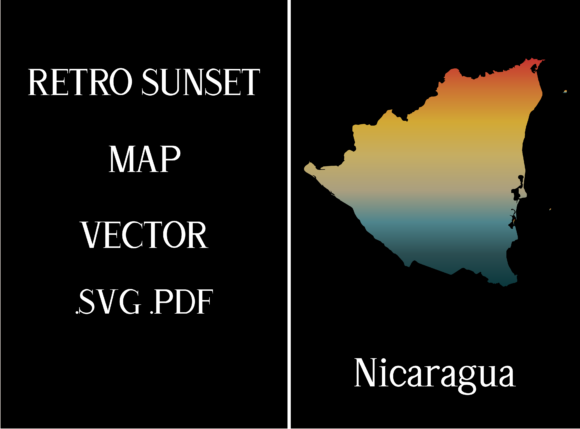
When I first opened the file for the Nicaragua Retro Sunset Map, I didn't just see a graphic; I saw a story waiting to be stitched. As someone who has spent years evaluating embroidery designs for both personal hobbies and commercial client work, my first impression is usually about mood and viability. This design immediately exudes a warm, nostalgic vibe that feels perfect for the current market trend of vintage-inspired travel art. The layout balances the recognizable shape of the country with a stylized sunset gradient, creating a piece that feels both patriotic and artistic.
The category falls under Logos and Graphics, but in the world of machine embroidery, it transcends simple branding. It functions as a standalone illustration that can anchor a custom apparel line or serve as a focal point on home decor. For an Etsy seller or a small shop product owner, this is the kind of asset that stops a scroll because it hits that sweet spot between professional polish and handmade charm.
From Digital File to Finished Product: A Real-World Scenario
To truly understand how the Nicaragua Retro Sunset Map performs, I like to imagine it in action. Let's say you are preparing inventory for a boutique clothing brand or a local craft fair. You decide to create a limited run of embroidered tote bags featuring this map. The goal is to appeal to travelers and locals alike, offering a souvenir that feels authentic rather than mass-produced.
I tested the concept by visualizing the design on a heavy-duty canvas tote. The retro aesthetic translates beautifully here. The curves of the map outline would likely use a satin stitch to give it a clean, raised edge, while the sunset fill areas could utilize a fill stitch to capture the color gradients. When customers hold the finished bag, the tactile quality of the stitching adds value. It transforms a simple $5 tote into a $25 handmade product. The design acts as a conversation starter, evoking memories of sunsets over Lake Nicaragua or the Pacific coast. For a custom apparel project, such as a sweatshirt, the placement on the back or chest creates a bold statement piece that stands out against denim or cotton blends.
This same versatility extends to other items mentioned in the description, like mugs, stickers, and wall art. While the digital file might be used for printing on paper products, its true strength lies in its potential as a digital embroidery file for textile applications. Whether you are making a baby onesie or a kitchen towel, the design's clarity ensures it remains legible even when scaled down.
Performance on Different Fabrics and Garments
Not all fabrics play nice with every design, and knowing where the Nicaragua Retro Sunset Map shines is crucial for avoiding costly mistakes. On stable, medium-weight fabrics like twill, denim, or felt, the design will likely hold its shape perfectly. The retro style benefits from the slight texture of these materials, giving the colors depth and preventing them from looking too flat.
However, there are specific scenarios where caution is required. If you are working with stretchy fabric like jersey knit t-shirts, you must ensure you are using the correct stabilizer to prevent puckering. The density of the fill stitches in the sunset area needs to be balanced so that the fabric doesn't become rigid. Similarly, on textured fabrics like bouclé or thick fleece, fine details might get lost in the weave. In these cases, the design works best if the stitch count is adjusted or if the background fabric is smoothed out with a temporary tear-away stabilizer.
For curved surfaces like caps or hats, the perspective of the map needs to be considered. A standard flat design might look distorted when pulled tight over a crown. If the file includes a 3D stretch correction or is intended for a curved surface, it will perform well. Otherwise, testing on a scrap piece of the actual hat material is essential before committing to a final production run. Dark fabrics present another challenge; unless the thread colors are light enough to pop, the sunset gradient might appear muddy. Always check the thread colors against your fabric swatch to ensure high contrast.
Design Details and Stitch Clarity
The success of any embroidery project often comes down to the small details. With the Nicaragua Retro Sunset Map, the key is how the lines transition from the map outline to the internal fill patterns. If the design relies on tiny lettering or extremely thin lines to define the borders, it might struggle in smaller hoop sizes. Embroidery machines have physical limitations; threads have thickness, and needles take up space.
If you plan to use this for an embroidered patch, the border width is critical. A border that is too thin can break during the trimming process, ruining the patch. Conversely, if the design is dense, it might require a cutaway stabilizer to support the weight of the stitches, especially on items like aprons or blankets that undergo frequent washing. For baby embroidery, you want to avoid overly dense areas that could feel scratchy against sensitive skin. The softness of the finish depends heavily on the balance between satin stitch edges and fill stitch coverage.
Visual appeal is also about the "personality" of the design. The retro theme suggests a specific era, likely the 70s or 80s, which implies a certain level of graininess or color separation. If the original vector file is too sharp, converting it to embroidery stitches might result in jagged edges. A good designer anticipates this and adjusts the stitch direction to follow the natural flow of the map, ensuring the final finished product looks intentional and polished.
Practical Tips for Designers and Sellers
Before you start uploading this design to your print on demand store or sending it to the hoop, there are several practical steps to take. First, always test the design on scrap fabric. This isn't just about checking if it fits; it is about observing how the stitch density interacts with the material. Does the fabric pucker? Do the colors blend as expected?
Review the hoop size requirements. If the design is large, you may need to split it into sections, which requires careful alignment. If you are selling commercial embroidery services, confirm the licensing terms explicitly. Just because a design is available for purchase does not automatically grant you the right to sell unlimited quantities of finished goods. Check if the license covers digital resale or if it is strictly for physical items.
Another vital step is inspecting small details in black and white mockups. Sometimes, color hides structural weaknesses in a design. By removing the color, you can see if the negative space is sufficient to keep the design readable. Also, compare how the design looks on light versus dark backgrounds. A retro sunset might look vibrant on a cream shirt but disappear on a navy one unless the thread palette is chosen carefully.
Finally, consider the end-use of the item. Is it a holiday gift that will be cherished, or a disposable promotional item? The durability of the embroidery file should match the longevity of the product. For items like kitchen towels or pillow covers that see heavy use, ensure the design is robust enough to withstand washing without fraying or losing definition.
In conclusion, the Nicaragua Retro Sunset Map offers a compelling blend of geography and nostalgia that fits seamlessly into the modern maker economy. Whether you are a hobbyist looking to make a unique personalized gift or a business owner building a brand around travel and culture, this design provides a strong foundation. By paying attention to fabric choice, stabilizer usage, and stitch density, you can transform this digital asset into a tangible masterpiece that customers will love. It is a reminder that the best design assets are those that respect the craft of embroidery while delivering a powerful visual message.