Mauritania Retro Sunset Map: A Designer's Real-World Review
When I first opened the Mauritania Retro Sunset Map, my immediate reaction wasn't about stitch counts or file formats. It was about the mood. There is a specific energy that comes from a well-executed retro aesthetic, and this design captures it perfectly. As someone who spends countless hours evaluating embroidery files for client projects and my own boutique line, I look for designs that tell a story without overwhelming the fabric. This piece strikes a balance between geographic intrigue and nostalgic warmth that feels right at home on modern handmade goods.
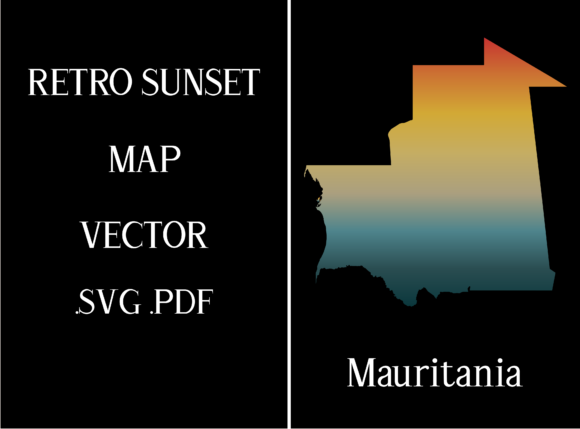
The visual personality of the Mauritania Retro Sunset Map is distinct. It avoids the sterile, corporate look of standard vector maps in favor of something warmer and more approachable. The color palette implied by the "sunset" theme suggests rich oranges, deep purples, and soft yellows—colors that translate beautifully into thread choices. For an embroidery designer, the layout is crucial. If the map outline is too thin, it risks breaking up on textured fabrics. If the fill areas are too dense, the fabric might pucker. From a quick glance at the design assets, the lines appear bold enough to hold their shape while retaining that vintage charm that customers love.
From Digital File to Finished Product: A Practical Scenario
To understand the true value of this design, we need to move past the screen and imagine it stitched onto actual material. Let's say I am preparing a custom order for a local boutique that specializes in travel-themed gifts. They want a limited edition run of canvas tote bags featuring a unique map of West Africa. Most designers would grab a generic world map, but this shop wants something with character.
This is where the Mauritania Retro Sunset Map shines. Imagine stitching this design onto a sturdy cotton canvas tote bag using a high-quality polyester thread. The retro style gives the product an instant vintage appeal that resonates with younger buyers looking for authentic, artisanal items. Unlike a hyper-realistic satellite image which can look muddy when embroidered, the stylized nature of this graphic ensures clarity even after dozens of washes. The sunset gradient could be achieved through careful thread selection, perhaps transitioning from a golden yellow to a burnt orange, creating a sense of depth that flat printing often lacks.
I also see this design performing exceptionally well on baby items. Embroidered patches or small chest logos on organic cotton onesies are huge in the handmade market right now. The rounded edges and friendly color scheme of the Mauritania Retro Sunset Map make it safe for children's wear without being too childish. It adds a touch of wanderlust to a nursery decor item or a keepsake blanket. When a customer sees a personalized gift with this specific map, they aren't just seeing a country; they are seeing a curated memory of a place they love or aspire to visit.
Where This Design Fits Best in Your Catalog
If you are running a crafter business or selling on platforms like Etsy, knowing where to place your design is half the battle. The Mauritania Retro Sunset Map is versatile enough to be a hero element or a subtle accent. On larger items like sweatshirts or pillow covers, it can stand alone as the central focal point. The scale works well here, allowing the details of the map to breathe without feeling cramped.
For smaller products, such as aprons or kitchen towels, the design serves as a charming signature. Think of a chef's apron featuring this map near the pocket—a perfect conversation starter for foodies who have traveled to North Africa. Similarly, on caps or hats, the curved surface requires a design that isn't overly complex in its corners. The retro style helps mask minor distortions that sometimes happen on curved surfaces, making it a safer bet than highly detailed architectural drawings.
In the realm of commercial embroidery, this design fits seamlessly into branding kits for travel agencies or tourism boards. A custom apparel line for a tour company could use this map on staff polos or promotional stickers. The professional yet artistic look elevates the perceived value of the merchandise. Customers trust brands that pay attention to design aesthetics, and a cohesive, well-stitched map design signals quality and care.
Navigating Technical Challenges and Fabric Choices
While the aesthetic is strong, every experienced designer knows that execution is everything. Before committing to a full production run, you must consider the physical constraints of machine embroidery. The Mauritania Retro Sunset Map relies on clean lines and color transitions. If you attempt to stitch this on a stretchy fabric like jersey knit without proper stabilization, the distortion will ruin the map's geometry. Always test on scrap fabric first to ensure the stabilizer holds the tension correctly.
Fabric texture plays a massive role in how the final product looks. On a smooth sateen, the satin stitch used for the borders will shine and look crisp. However, on a rough burlap or heavy denim, the same stitches might not lay flat, potentially obscuring the finer details of the map. If you are working with dark fabrics, you need to be mindful of the underlay and thread coverage. A light-colored retro sunset might require multiple passes or a specific underlay technique to prevent the dark background from showing through.
Hoop size is another critical factor. While this design is likely scalable, attempting to shrink it down too much for a tiny patch or a keychain tag can lead to lost detail. The intricate curves of the coastline might disappear if the hoop size is too small relative to the design density. Conversely, on very large items, you must ensure the machine can handle the total stitch count without overheating the needle or causing excessive puckering.
Essential Notes for the Embroidery Professional
Before you start stitching, there are practical steps you should take to guarantee success. First, always review the stitch density settings in your digitizing software. High-density areas can cause the fabric to bunch up, especially if you are using a lower-grade thread. Check the thread colors against your actual spools; digital previews do not always match thread textures perfectly. A matte cotton thread will absorb light differently than a shiny rayon, altering the "retro" feel of the sunset.
If you plan to sell finished items made with this design, confirm the licensing terms immediately. Some digital embroidery files come with restrictions on commercial use or the number of units you can produce. Ensure you have the rights to create handmade products for resale. Also, inspect the design for any tiny lettering or minute details that might be difficult to stitch clearly. If the design includes text, verify that it remains legible after washing.
Testing the design in black and white mockups can also reveal issues with contrast that color screens might hide. Does the map stand out clearly against the fabric? Is there enough separation between the different elements? Finally, consider the end-user experience. Will the finished product be comfortable? Dense embroidery can feel stiff, so for baby clothes or items worn directly against the skin, ensure the back of the design is trimmed or stabilized to minimize bulk.
The Mauritania Retro Sunset Map offers a compelling blend of geography and nostalgia that can elevate your embroidery portfolio. Whether you are creating a one-off gift for a friend or building a catalog of small shop products, this design provides a solid foundation. By respecting the technical nuances of embroidery and choosing the right materials, you can turn a simple digital file into a treasured finished product that stands out in a crowded marketplace.