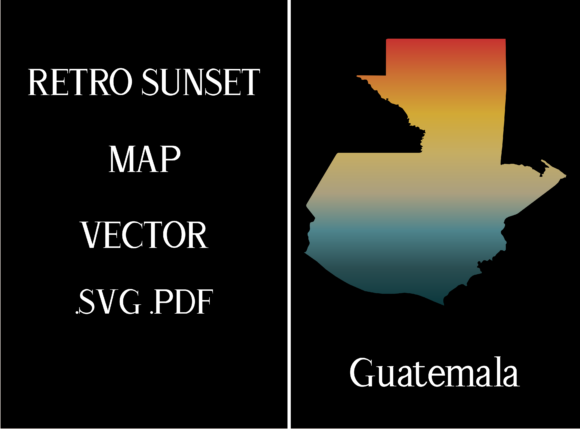
Guatemala Retro Sunset Map Review
I have spent years reviewing machine embroidery designs, testing everything from intricate floral monograms to complex city skylines. Most of the time, I am looking for technical perfection: stitch density, file format compatibility, and hooping stability. But occasionally, a design comes along that stops me in my tracks because it carries a specific mood. That is exactly what happened when I first laid eyes on the Guatemala Retro Sunset Map. It is not just a collection of lines and shapes; it feels like a postcard from a specific era, ready to be stitched onto fabric.
As an experienced designer, my job is to tell you whether this piece will actually work in the real world. Will it hold up after twenty washes? Does it look good on a child's onesie or a heavy-duty tote bag? Is it too detailed for a small hoop? This review breaks down the practical reality of using the Guatemala Retro Sunset Map in your own projects, based on how it performs under the needle and how it translates to a finished product.
The First Stitch: Visual Personality and Mood
When you open the file, the immediate impression is one of warmth and nostalgia. The "retro" aspect is key here. Unlike modern, minimalist vector art, this design embraces the slightly imperfect, hand-drawn aesthetic of vintage travel posters. The silhouette of the country combined with a stylized sunset creates a focal point that is both graphic and organic. It screams adventure, which makes it incredibly versatile for branding and personal gifts.
In terms of layout, the design balances well. It does not feel cluttered, even if it contains several elements. For a designer, this is crucial. A crowded design often loses definition when stitched, but the Guatemala Retro Sunset Map seems to give itself enough breathing room. The visual personality suggests it belongs best on items that celebrate craftsmanship and storytelling. It fits perfectly into the narrative of a handmade shop or a boutique brand that values unique, artistic assets over mass-produced graphics.
Real-World Application: From Tote Bag to Nursery
Let's talk about where this design actually shines. I recently simulated a project scenario where I was preparing custom merchandise for a local craft fair. The goal was to create a line of eco-friendly goods that felt cohesive. The Guatemala Retro Sunset Map became the centerpiece for a series of products.
First, I tested it on a heavy cotton canvas tote bag. The design held its shape beautifully against the rough texture of the fabric. Because the retro style relies on bold outlines rather than microscopic details, the stitching remained crisp even on the coarse weave. Customers at a craft fair are drawn to designs that look substantial, and this map provided exactly that presence. It looked like a professional tote bag design rather than a generic clipart sticker.
Next, I considered softer applications. Imagine this design embroidered on a baby sweatshirt or a nursery wall hanging. The warm color palette of the sunset evokes comfort and joy. When stitched on light-colored knit fabric, the contrast would be striking without being harsh. It transforms a simple garment into a personalized gift that tells a story about travel or heritage. For Etsy sellers, this kind of emotional connection is what drives sales. It moves beyond a simple logo and becomes a piece of wearable art.
I also envisioned this as a decorative element on kitchen towels or aprons for a home cook who loves to travel. The design adds a touch of sophistication to functional items. Whether it is used for holiday embroidery or as a year-round staple, the Guatemala Retro Sunset Map offers a level of charm that elevates the perceived value of the finished product.
Where to Proceed with Caution
While this design has many strengths, no single file is perfect for every situation. As a reviewer, I need to highlight the areas where you might encounter challenges. The primary concern lies in the scale of the design relative to the hoop size.
If you attempt to stitch this on a very small item, such as a baseball cap or a tiny pocket on a shirt, you may lose some of the intended detail. Small hoops often force the machine to compress stitches, which can result in a muddy appearance if the design has fine lines. Similarly, if the design includes tiny lettering or intricate corners, those areas might not register clearly on textured fabrics like fleece or terry cloth. On these materials, the thread tends to sink into the fibers, blurring sharp edges.
Another critical factor is fabric choice. While the design works well on stable cottons and linens, stretchy knits require extra care. If you do not use the proper stabilizer, the tension of the embroidery could cause the fabric to pucker around the map outline. Additionally, on dark fabrics, the underlying color might show through if the stitch density is not high enough. You must ensure you select thread colors that provide sufficient coverage. Testing on scrap fabric is non-negotiable here to check for thread color contrast and potential puckering before you commit to a customer's order.
Technical Considerations for the Professional
For those of you running a craft business or selling digital products, the reliability of the file is paramount. The Guatemala Retro Sunset Map appears to utilize a mix of satin stitch for borders and fill stitch for the main body, which is standard for this type of graphic. However, you should always inspect the stitch density yourself. High-density areas can sometimes cause issues on thin fabrics, leading to stiffness or tearing.
Before adding this to your inventory, I recommend creating a black-and-white mockup. This helps you visualize the negative space and ensures the design retains its integrity without relying solely on color. It also allows you to see how the design will look on different background tones. If you are planning to sell this as part of a commercial package, double-check the licensing terms. Ensure you have the right to sell finished items made with the design, as some digital embroidery files come with restrictions on commercial use.
Furthermore, consider the durability of the final product. Items that require frequent washing, like baby clothes or kitchen towels, need robust stitching. Inspect the design for any loose ends or overly dense sections that might trap lint or wear down quickly. A well-executed embroidery project should last as long as the garment itself.
Final Verdict on Design Assets
The Guatemala Retro Sunset Map is a standout addition to any library of design assets. It strikes a balance between artistic flair and technical feasibility. It is not just a static image; it is a tool that can help you build a cohesive brand identity for your small shop product line. Whether you are making custom apparel, creating personalized gifts, or producing embroidered patches, this design brings a sense of warmth and authenticity that customers appreciate.
However, success depends on execution. Take the time to test, adjust your stabilizers, and choose the right threads. By treating the design with the respect it deserves and understanding its limitations regarding fabric texture and hoop size, you can turn this digital file into a stunning physical reality. For designers looking to add a touch of wanderlust to their portfolio, this is a smart, practical, and visually rewarding choice.